France's Oversight Mechanisms Shape Live Casino Mobile Transaction Flows
Henrik Hartmann · Sep 7, 2026
France's Oversight Mechanisms Shape Live Casino Mobile Transaction Flows
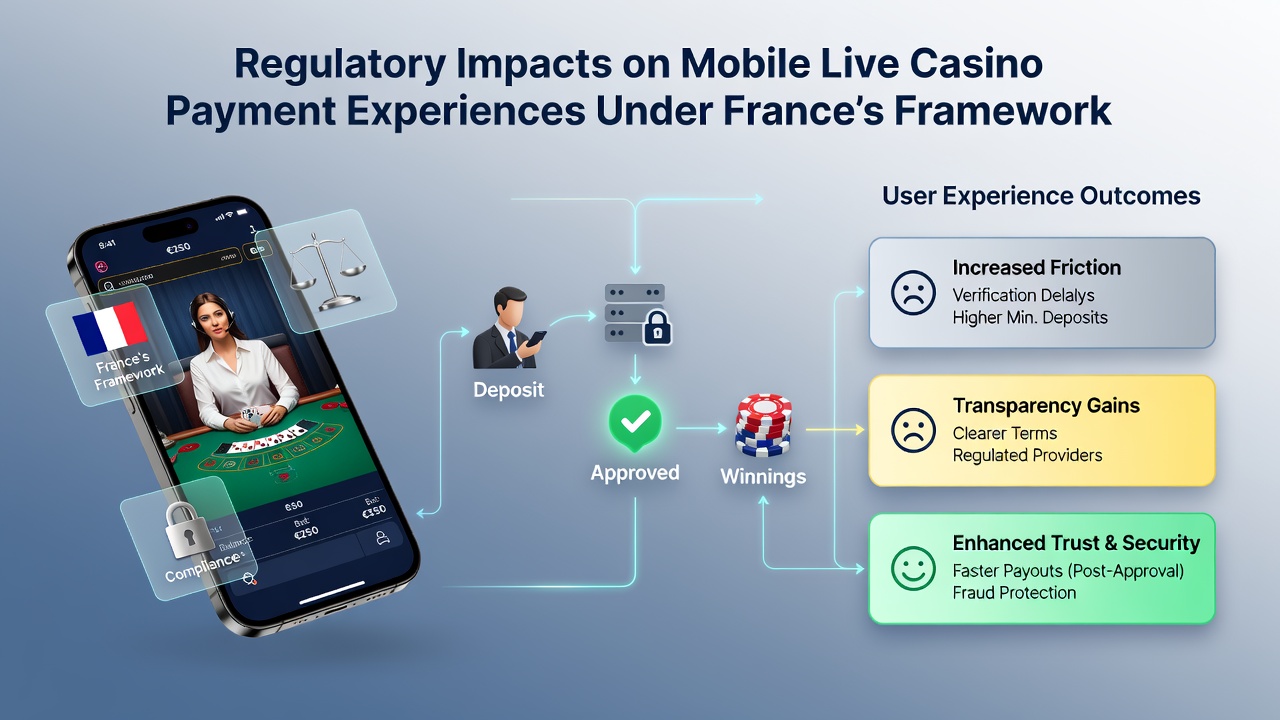
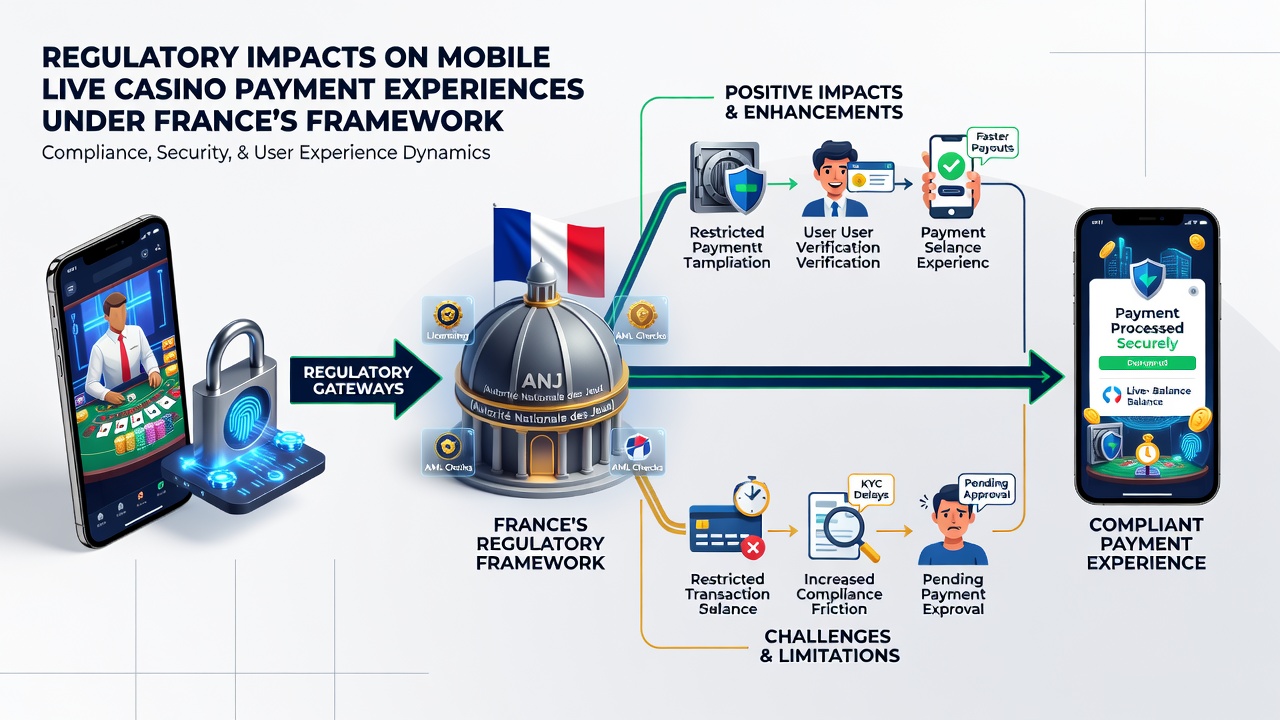
France maintains a tightly controlled environment for online gambling activities, and observers note that the Autorité Nationale des Jeux enforces specific standards that directly affect how payments move in mobile live casino settings. Licensed operators must integrate approved payment processors that meet security and traceability requirements, which creates a structured pathway for deposits and withdrawals on smartphones and tablets. Those who've examined the framework point out that mobile users encounter verification steps at multiple stages because regulations prioritize fraud prevention and responsible play tracking.
Core Licensing Conditions and Payment Integration Rules
Operators seeking approval from French authorities face requirements that extend to their chosen payment partners, and data from regulatory filings shows these partners undergo background checks before handling any live casino transactions. Mobile platforms must support only those methods that allow real-time monitoring, which rules out certain international e-wallets unless they comply with local data-sharing protocols. Researchers at European gaming studies centers have documented how these conditions lead platforms to favor bank transfers and certified digital wallets that log every transfer with timestamps and user identifiers.
Payment flows in live dealer environments demand seamless integration because sessions run continuously, and the rules require that balance updates appear instantly on mobile screens without delays that could signal processing issues. Experts tracking compliance records indicate that operators who fail to maintain these standards risk license suspension, prompting many to build proprietary systems that align with ANJ technical specifications.
September 2026 Updates and Their Reach
As of September 2026 the authority introduced refined guidelines on transaction reporting intervals, requiring operators to submit aggregated mobile payment data on a weekly basis rather than monthly. This shift influences how live casino platforms handle high-frequency small deposits common in mobile sessions, and analysts reviewing the change note that systems now incorporate automated alerts when patterns suggest unusual activity. Those monitoring industry reports observe that the new cadence aligns with broader European efforts to standardize cross-border data exchanges for gambling oversight.
Verification Procedures and Mobile User Journeys
Players accessing live tables on mobile devices must complete identity checks before any funds move, and French regulations mandate that these checks occur through secure app-based interfaces rather than external browsers. The process typically involves uploading identification documents alongside a selfie or biometric scan, after which the system cross-references details against national databases. Observers who have reviewed operator compliance materials explain that this layered approach reduces the window for unauthorized access while maintaining the pace expected in live dealer games.
Once verified, mobile users select from a curated list of payment options that have pre-cleared regulatory hurdles, and transaction histories remain accessible within the app for ongoing review. Data compiled by French oversight bodies reveals that approved methods include domestic banking apps and certain prepaid cards tied to verified accounts, whereas cryptocurrency options remain excluded unless future legislation alters that stance.
Security Standards and Data Handling Requirements
Encryption protocols form a baseline expectation, and regulations specify minimum standards that mobile applications must meet when transmitting payment details during live sessions. Operators integrate tokenization techniques so that actual card or account numbers never reside on user devices, a practice that aligns with broader European data protection directives. Industry associations tracking these implementations report that the added security layers contribute to longer initial setup times yet produce fewer reported incidents of payment disputes.
Real-time monitoring tools scan for anomalies such as rapid successive deposits followed by immediate withdrawal requests, and French rules require operators to flag such sequences for manual review. Those studying enforcement patterns note that mobile live casino environments receive particular attention because session lengths and betting volumes can fluctuate quickly on handheld devices.
Cross-Border Considerations Within the Framework
Although France operates its own licensing regime, operators often reference compatibility with neighboring jurisdictions when selecting payment infrastructure, and reports from multinational gaming research groups show that shared technical standards ease compliance across multiple markets. Mobile payment providers must demonstrate they can isolate French user data from other regions when required, which adds complexity to app architecture yet supports regulatory audits.
Withdrawal timelines receive explicit attention under current rules, with operators required to process verified requests within defined windows that vary by method. Bank transfers typically complete within five business days while certain digital wallets clear faster, and compliance records indicate that operators publishing these timelines in mobile apps experience fewer user complaints.
Conclusion
France's regulatory structure continues to define the parameters within which mobile live casino payments operate, and the combination of licensing, verification, and reporting obligations creates a predictable yet demanding environment for operators and users alike. As guidelines evolve, payment experiences on mobile devices reflect ongoing adjustments that prioritize security and traceability while supporting the technical demands of live dealer formats. Observers tracking developments expect further refinements in data exchange protocols to maintain alignment with wider European standards.