France's Legal Landscape and Its Impact on Gambling Incentives for Mobile Users
Henrik Hartmann · Oct 5, 2026
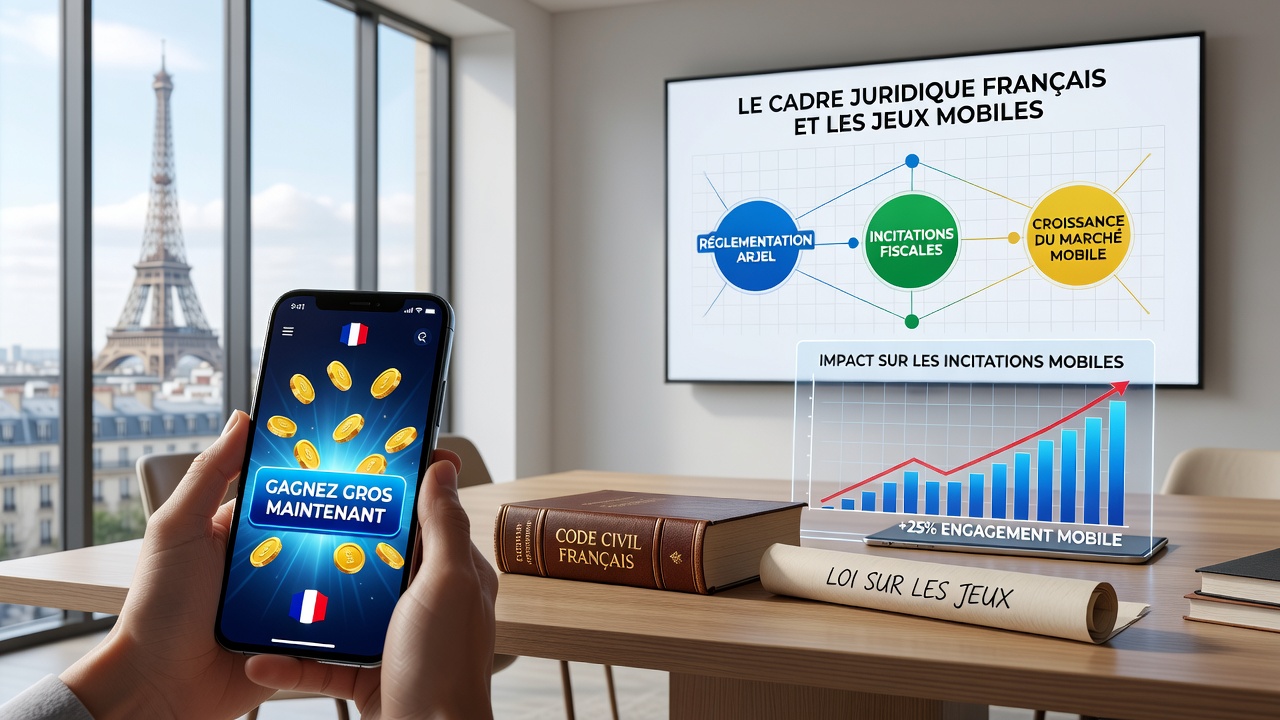
France maintains a tightly controlled gambling sector where national legislation directly shapes the availability and structure of incentives offered to mobile users. The Autorité Nationale des Jeux oversees licensing, advertising standards, and promotional activities, which means operators must align bonus offerings with specific legal boundaries rather than market-driven creativity. Regulatory updates issued in 2025 carried forward into October 2026, when additional guidance clarified how deposit matches and loyalty rewards could appear within mobile applications. Those measures require clear separation between promotional funds and player deposits while mandating real-time verification processes that affect how quickly incentives become usable on smartphones and tablets.Core Legislation Governing Promotions
The 2010 online gambling law established the foundation for today's rules, and subsequent amendments have narrowed the types of bonuses permitted across digital platforms. Operators licensed by French authorities cannot advertise unlimited free spins or cashback percentages that exceed defined thresholds, because such offers fall under restrictions designed to limit excessive play. Data from regulatory filings shows that average bonus values displayed in mobile apps have remained consistent since the last major revision, reflecting compliance rather than competitive escalation.
Mobile-specific provisions emerged after 2018 when remote gambling expanded. Applications must incorporate geolocation checks and age verification before any promotional credit activates, which adds technical steps that desktop sites avoid. Observers note that these requirements slow the redemption process yet maintain uniformity across devices, ensuring users encounter the same legal constraints whether they play on phones or computers.
Effects on Mobile Incentive Models
Because French law prohibits certain wager-free bonuses, mobile operators structure rewards around deposit matches capped at fixed euro amounts. Loyalty programs tied to play volume replace traditional cashback offers, and players receive points redeemable only after meeting verified activity periods. Research conducted by European academic institutions indicates that such point-based systems correlate with steadier engagement patterns compared with high-variance bonus models used in less regulated markets.
October 2026 guidance further required operators to display bonus terms within the first three screens of any mobile registration flow. This transparency rule eliminates hidden wagering requirements that previously appeared only in fine print, and compliance reports confirm that most licensed platforms updated their interfaces accordingly within the mandated timeframe. Those changes reduced the number of disputed bonus claims logged with the regulator during the following quarter.
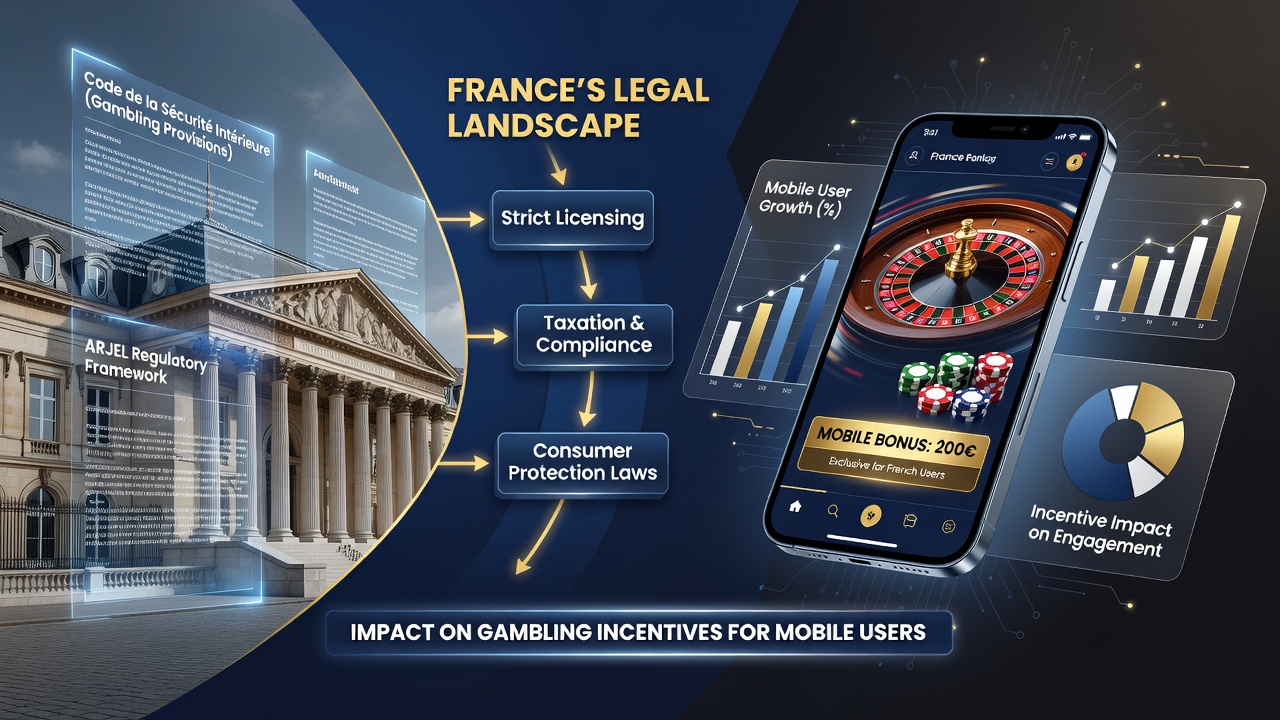
Enforcement and Compliance Mechanisms
ANJ conducts regular audits of mobile platforms to verify that incentives match approved templates submitted during licensing. Non-compliant promotions trigger immediate removal orders and potential license reviews, which encourages operators to pre-clear new reward structures before deployment. Industry reports from the European Commission highlight that France's approach produces fewer regulatory interventions than jurisdictions relying primarily on post-launch complaints.
Payment flows also intersect with promotional rules. Mobile users cannot receive bonus funds through certain third-party wallets unless those services maintain French licensing, which narrows the range of deposit methods paired with incentives. Figures released by payment processors show that approved French banking options account for the majority of bonus-funded transactions on regulated apps, while international alternatives appear less frequently in promotional campaigns.
Regional Comparisons and Broader Context
France's framework differs from approaches taken in other EU member states where bonus caps remain higher or advertising restrictions apply only to specific game types. Canadian provincial regulators, for instance, allow variable bonus structures that French operators cannot replicate, and data from cross-border studies reveal corresponding differences in average mobile session lengths. Australian research institutions have published comparative analyses noting that France's emphasis on verification steps produces slower bonus activation yet fewer instances of disputed account closures.
Operators adapt by focusing promotional creativity within permitted parameters, such as time-limited tournaments or tiered loyalty ladders rather than direct cash rewards. These adaptations keep mobile offerings competitive while satisfying oversight requirements, and licensing statistics indicate steady growth in approved applications despite the constraints.
Conclusion
France's legal environment continues to define the boundaries of mobile gambling incentives through licensing conditions, transparency mandates, and technical verification standards. Updates implemented around October 2026 reinforced existing patterns rather than introducing abrupt shifts, and operators maintain compliance by aligning reward structures with documented regulatory expectations. The resulting landscape features predictable bonus formats delivered through verified mobile channels, supported by ongoing oversight from national authorities and aligned with broader European reporting frameworks.